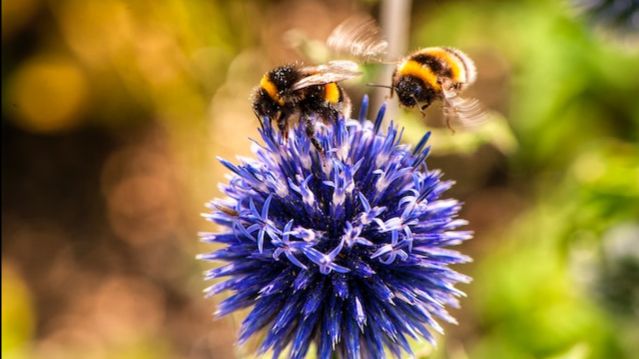



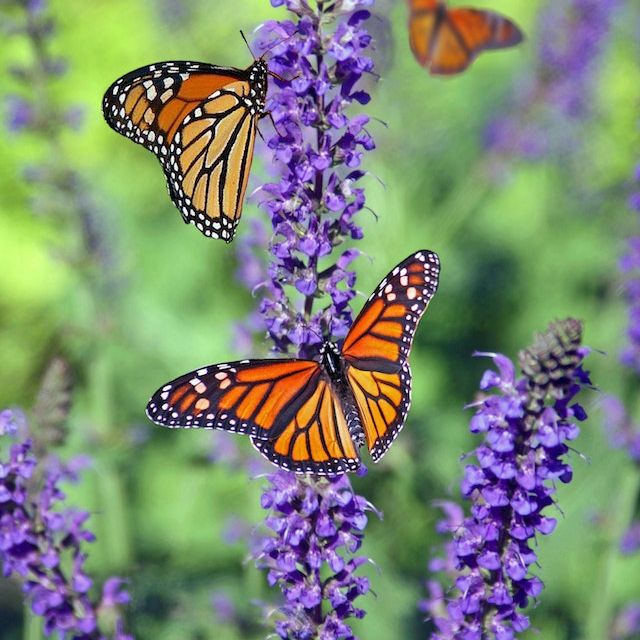
We all know the growing concerns about pollinators, including bees, butterflies (especially the gorgeous Monarchs), bats, and more. Sometimes it feels like this problem is so big that no single individual can make a difference, but that’s not the case. Together we can make a difference. I like to think of this as much more than just helping the pollinators now; we are helping to make the planet a better place for our children and grandchildren. In that way, it’s a lot like estate planning, ensuring we care for our loved ones the best we can.
The following are six ways you can help the pollinators in your own yard. And yes, it can and will make a difference!
Plant clusters of native (or at least non-invasive) plants in your yard. By having them in clusters, you create easy-to-find feeding areas.
It is best to plant continuous blooming plants, providing food from spring to fall.
Milkweed, in particular, is essential to monarchs. They rely on it for their survival. Consider planting it in your yard.
Reduce or eliminate the use of pesticides. There has been ample media coverage about the harm pesticides are causing, especially to the bees.
Allow all or sections of your yard to go “natural” – no weed killers. Dandelions are the first spring food for bees. They like clover too!
If you have a large area of full sun, maybe it’s just turf now; consider turning it into a designated pollinator garden with a good mix of wildflowers. You’ll enjoy a changing color palette throughout the season, and guess what? It only needs to be mowed annually!
I hope you find these tips helpful and will consider incorporating one or two into your landscape design. As I said, estate planning and helping our endangered pollinators have much in common. Both are planning for the future and our loved ones.
Very best regards,
David